

Embarking on a journey to Bali promises not only a visual feast but also a unique shopping experience that immerses you in the rich tapestry of Indonesian culture.
In many shops, you’ll find reasonably priced items such as wooden masks used in traditional ceremonies, canvas art that captures the spirit of the Indonesian archipelago, and elegant Balinese Kebaya.
Remember to carry cash as you explore the art market for that perfect piece, from wall paintings to unique handcrafted items, ensuring you return home with more than just memories but with the amazing Bali shopping experience.
1. Balinese Paintings: A Blend of Tradition and Western Influence
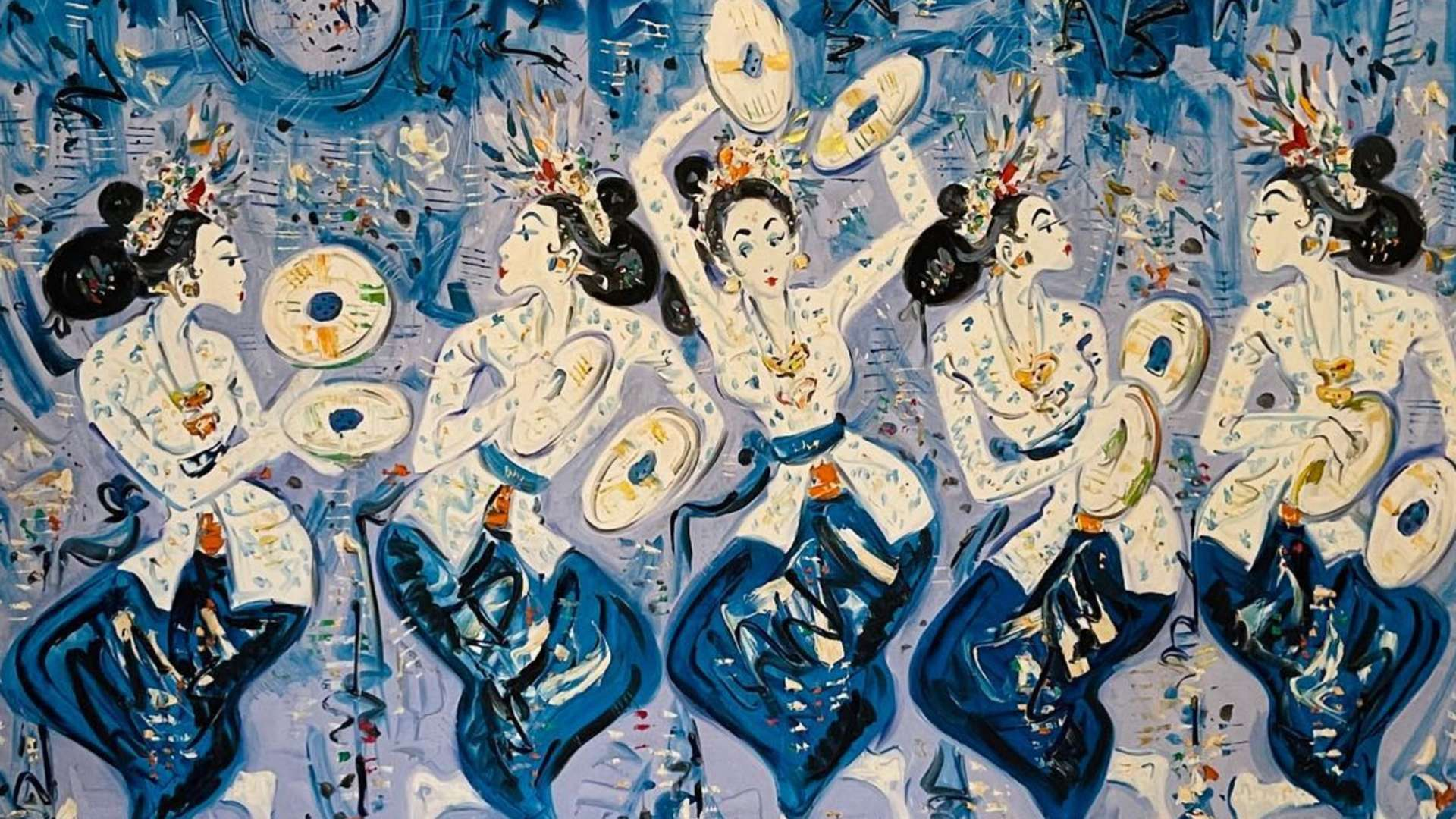
Balinese paintings hold a special place in the realm of art, with a rich history that dates back centuries. Originally, Balinese traditional paintings were primarily focused on visual narratives, such as the Hindu-Javanese classic stories depicted in Kamasan or Wayang styles. These paintings and drawings were integral to religious ceremonies and adorned temples, showcasing Bali’s deep spiritual and cultural roots.
The evolution of these Balinese artwork began with the introduction of new materials like paper and paint by traders and explorers. This allowed Balinese artists, under the patronage of their kings, to experiment with new forms and techniques, broadening the scope of their artistry.
Influence of Western Artists in the 20th Century
Introduction of New Techniques and Styles
The 1920s marked a pivotal era in the history of Balinese paintings with the formation of the Pita Maha artistic community. This period saw the arrival of Western artists like Walter Spies (German), Arie Smith & Walter Bonnet (Dutch), and Adrien Jean le Mayeur (Belgium), who were invited by the King of Ubud.
Their influence ushered in an era of experimentation and exploration in subject matter and techniques, significantly shaping the future of Balinese art.
Notable Western Artists and Their Impact
These Western artists played a crucial role in encouraging local painters to venture beyond traditional themes and styles. As a result, Balinese paintings began to incorporate elements of Western art, leading to a diverse and dynamic artistic landscape.
Key Locations for Balinese Paintings
Ubud stands out as the cultural heart of Balinese painting.
This town is home to numerous art galleries and museums, such as Neka Art and Puri Lukisan, where the evolution and diversity of Balinese art are prominently showcased.
Ubud also hosts centers for artistic creativity and painting schools like the Keliki Painting School, further cementing its status as the island’s art capital.
Beyond Ubud, Bali boasts a variety of galleries and artistic communities.
Locations like Seminyak are also notable for their vibrant art scenes, with galleries such as Reservoart and Purpa Art Gallery, among others. These places provide a platform for both established and emerging artists to display their unique interpretations of Balinese art.
Balinese paintings not only serve as a testament to the island’s artistic heritage but also as a vivid representation of its ongoing cultural evolution.
The blend of traditional themes and Western influences, along with the diversity of styles and techniques, makes Balinese art a dynamic and captivating aspect of the island’s identity.
Whether displayed in homes or galleries, these paintings continue to enchant and inspire, making Bali one of Asia’s most significant exporters of artistic expression.
2. Silversmiths and Jewellery in Celuk
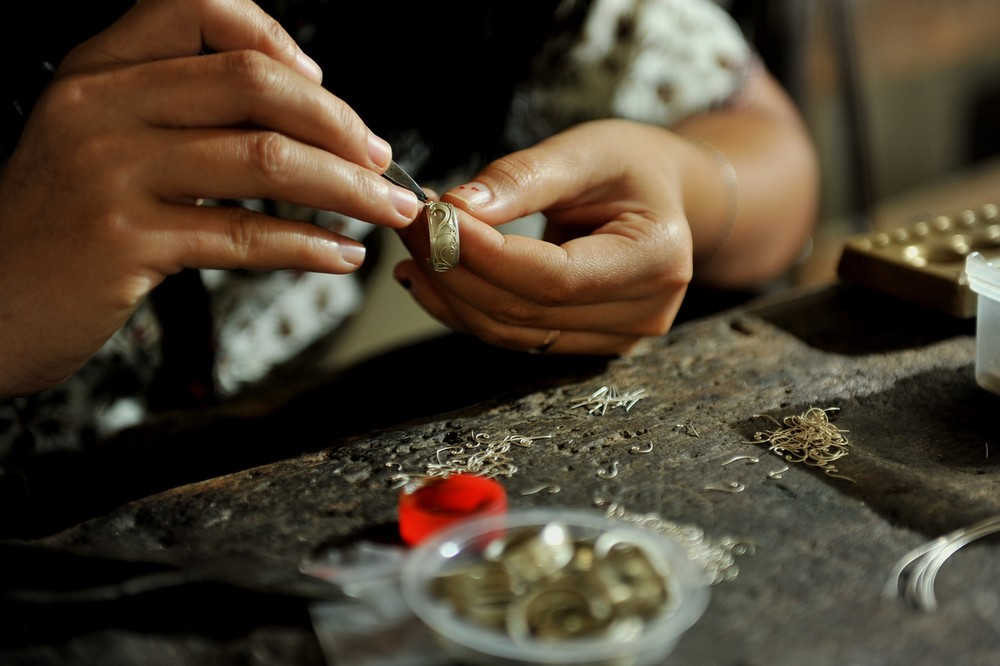
Celuk Art Village, located in the Sukawati District of Gianyar Regency, Bali, is renowned for its exceptional gold and silver handicrafts, particularly jewelry.
Situated approximately 13 km from Ubud Center and 14 km from Denpasar city, Celuk Village is often hailed as Bali’s major center for goldsmiths and silversmiths.
This village distinguishes itself as the sole silver smith village in Indonesia, specializing in high-grade gold and silver products.
Tradition and Modern Influences in Jewelry Making
The local artisans in Celuk are known for their skill and industriousness, producing unique and elaborate designs.
Traditional techniques passed down through generations are employed in the creation of various jewelry items, including necklaces, bracelets, earrings, rings, brooches, hair accessories, statues, and souvenirs.
The process involves sourcing materials from Kalimantan and Java, smelting using traditional tools, shaping with hammers and chisels, intricate engraving, and final polishing to achieve a smooth and shiny finish.
Experiences for Tourists in Jewelry Creation and Purchasing
Celuk Silver Village offers tourists the opportunity to immerse themselves in the art of jewelry making. Visitors can engage in short courses designed to teach traditional techniques used in crafting high-quality gold and silver jewelry.
These classes, typically lasting 2 to 3 hours, are conducted by experienced silversmiths in traditional village workshops. Participants learn various techniques, including sawing, stamping, hammering, and soldering, and have the chance to create their own piece of silver jewelry.
Booking and Participating in Jewelry Classes
Tourists interested in these classes can select a reputable tour operator and choose a class based on their preferences, including duration and price. Booking in advance is recommended due to the limited class size, usually accommodating a maximum of 4 participants per group. Classes are suitable for ages 12 to 60 and are often conducted in English to cater to international visitors. The cost for a 2-hour class ranges from $52.23 to $73.00 per person.
Celuk Village offers a unique blend of traditional craftsmanship and modern learning experiences. Tourists visiting this village not only witness the intricate art of jewelry making but also get hands-on experience in creating their own pieces, making their visit to Celuk an unforgettable part of their Balinese journey.
3. The Timeless Elegance of Balinese Stone Carving

Stone carving in Bali stands as a testament to the island’s rich cultural heritage and artistic mastery. This ancient craft, deeply rooted in Bali’s history, captures the essence of Balinese traditions and spirituality, making it a must-see for anyone visiting the island.
The Town of Batubulan as a Center for Stone Carving
Batubulan, a town synonymous with stone carving in Bali, has etched its name as the epicenter of this exquisite art form. Here, the streets are lined with studios and workshops, where skilled artisans meticulously shape blocks of stone into breathtaking works of art.
These carvings range from deities and mythical creatures to intricate floral patterns, each piece a reflection of the island’s rich artistic legacy. Batubulan’s stone carvings are not just local treasures; they have gained acclaim on the international stage, drawing admirers and collectors from across the globe.
International Demand for Balinese Stone Carvings
The global appeal of Balinese stone carvings is undeniable. These works are sought after by international buyers, finding their way into homes, gardens, and galleries worldwide.
The demand for these pieces underscores the universal language of art and beauty that transcends cultural boundaries. Tourists and art connoisseurs alike flock to Bali, not only to witness the beauty of these carvings but also to acquire a piece of Balinese heritage.
The stone carvings of Bali are more than just handicrafts; they are enduring symbols of the island’s artistic prowess and cultural richness. Whether as a centerpiece in a garden or as an accent in a living space, a Balinese stone carving offers a timeless elegance and a touch of the mystical, a tangible piece of the island’s soul that continues to captivate the hearts of those who behold it.
4. The Enigmatic World of Balinese Masks
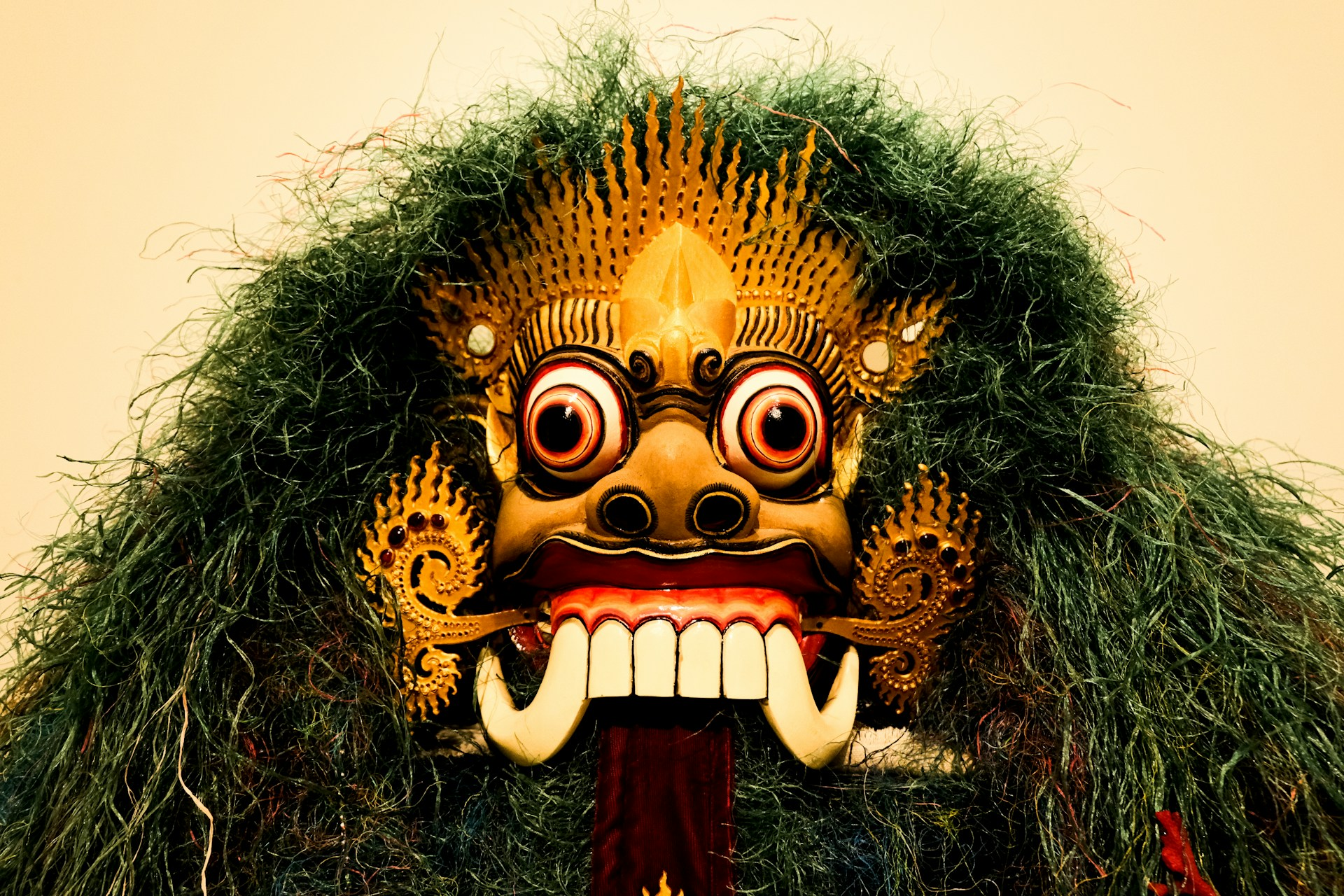
Bali’s rich artistic heritage is epitomized in its sacred Balinese masks, an integral part of the island’s cultural and spiritual landscape. These masks are not mere decorative items but are deeply imbued with spiritual significance and historical importance.
Traditional Religious Themes
Balinese masks are a vivid representation of the island’s animistic and dynamistic beliefs. Rooted in ancient spirituality, these masks are considered sacred, serving as vessels for ancestral spirits and divine energies. For the Balinese people, these masks symbolize the physical manifestation of divine beings, enabling transcendental energies to interact with the physical world.
The profound respect for these masks is evident in the traditional performances where they are used. Unlike the decorative masks found in shops, the ones used in dances and dramas are specially crafted and regarded with high reverence, reflecting the deep spiritual connection of the Balinese people with their art.
The Sacred Meaning of the Balinese Mask
The Balinese masks hold a much deeper meaning than their artistic value. They are seen as “houses” for spirits, allowing for a tangible interaction between the spiritual and physical realms. This belief underscores the sacred status of these masks in Balinese culture, where gods and spirits are believed to be present in all things.
The Making of Balinese Masks
The creation of Balinese masks is a ritualistic process carried out by skilled artisans, known as undagi tapel. These craftsmen use scented woods like ylang and pule, adhering to traditional methods and rules that make the process time-consuming and intricate. The use of natural materials like goat skin, buffalo hair, and boar’s teeth in animal masks exemplifies the detailed and careful craftsmanship required.
The Balinese Mask Designs
Balinese masks come in various designs, each symbolizing different emotions, characters, or spiritual beings. From human faces and gods to animals and supernatural beings, the diversity in design is vast. Masks can express emotions like anger or calmness, and they portray a range of characters — from noble queens to fierce warriors, and even malevolent figures like Calonarang.
A unique aspect of Balinese mask design is the depiction of transitional creatures, bridging the gap between humans and giants or delicate characters like topeng Telek.
Can I Have the Balinese Masks?
While traditional Balinese masks are reserved for specific ceremonial uses and are kept in sacred places, contemporary Balinese masks are available for decorative purposes. These are the masks you can find in shops and are crafted for aesthetic purposes, unlike the sacred ones that require specific rituals and careful storage.
Where to See and Get the Balinese Masks?
To truly experience the art of Balinese masks, one can visit Mas village in Ubud, known as a center for wood carving. Here, visitors can witness the transformation of wood into exquisite art by local craftsmen. These masks are readily available across the island in various shops and museums, offering a unique piece of Balinese culture for visitors to take home.
5. Exploring the Wonders of Sukawati Art Market in Bali
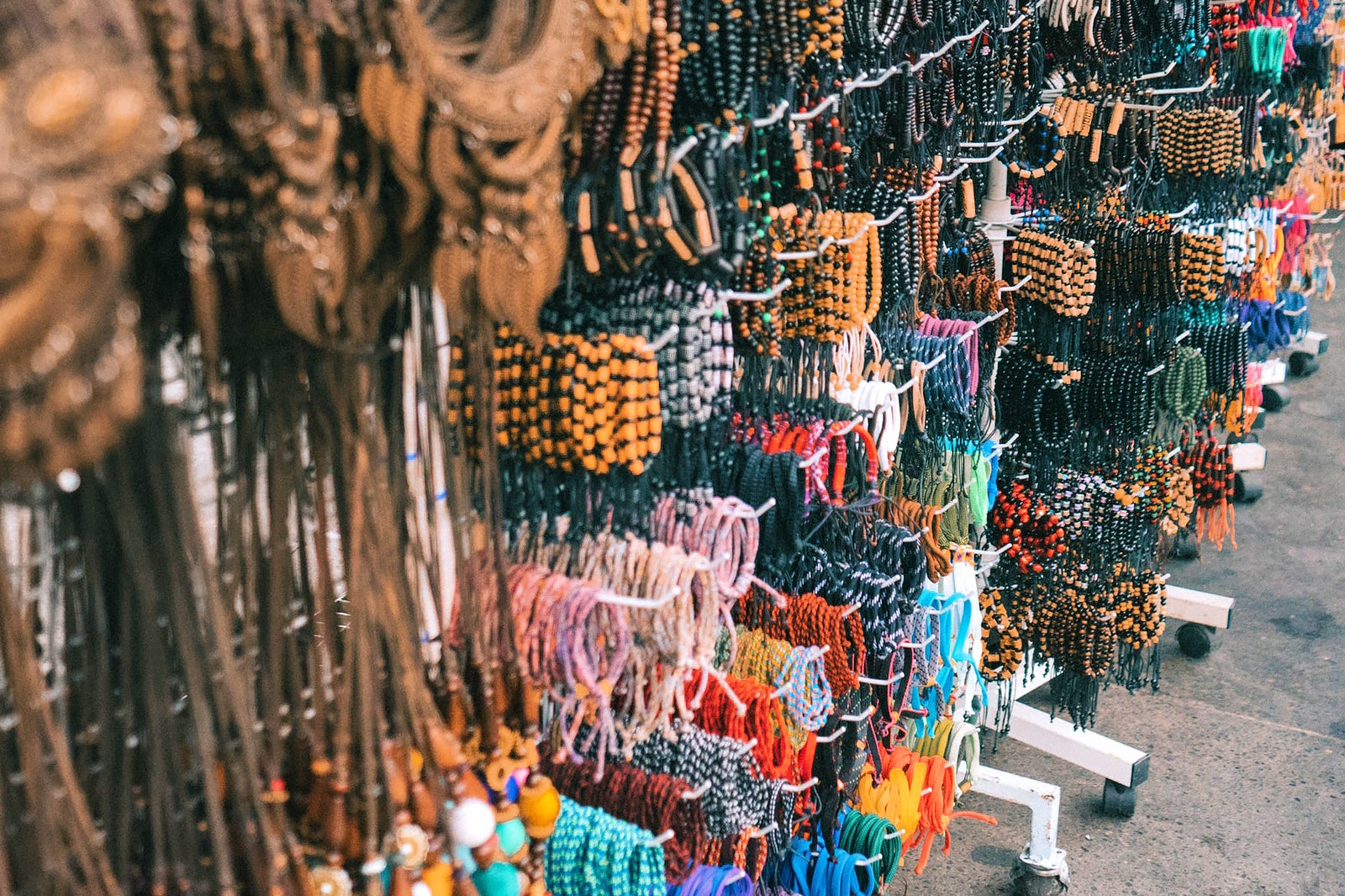
Sukawati Art Market also known as Jalan Raya Sukawati, nestled in the heart of Bali, is a vibrant destination that showcases the rich tapestry of Balinese culture and artistry. Known for its vast array of local handicrafts and artworks, this market is a paradise for those seeking authentic Balinese items at reasonable prices.
A Treasure Trove of Handicrafts and Art
As you wander through the lanes of Sukawati Art Market, you’ll be greeted with a plethora of items. The market is renowned for its framed artworks and carved figurines, each piece reflecting the intricate craftsmanship of local artisans. Handwoven textile products, such as sarongs and women’s clothing, dazzle with their variety of designs and weaves, catering to diverse tastes and preferences.
For those interested in Bali’s spiritual heritage, the market offers ceremonial items for temples, infusing a sense of the island’s rich religious traditions. Additionally, the colorful and unique Balinese kites available here make for perfect souvenirs or gifts.
The Allure of Paintings and Art Reproductions
Art enthusiasts will find themselves in a haven of creativity. Sukawati is particularly known for its imitations of famous masterpieces, allowing art lovers to take home a piece of exquisite beauty without the hefty price tag.
However, the true gem of the market lies in its authentic Balinese art, especially the works in the Kamasan style. These pieces are not just decorations but are emblematic of Bali’s unique artistic identity.
Clothing and Textile Galore
The ground floor of the market is a riot of colors, predominantly featuring an extensive range of clothing options, including the ever-popular sarongs.
These sarongs, along with a variety of other textiles and fabrics, are available in numerous designs, lengths, and colors, making it a perfect spot for those looking to add a touch of Balinese flair to their wardrobe or fabric collection.
Aromatic Delights and Bedding
Venture to the back of the market, and you’ll find yourself enveloped in the delightful scents of aromatherapy products. From sandalwood-infused fans to a wide selection of incense and vibrant jelly candles, this section of the market is an aromatic paradise. Additionally, artistic bedcovers, featuring designs ranging from famous faces to traditional patterns, are displayed in open-air setups, adding another layer of charm to the market’s offerings.
Mastering the Art of Negotiation
Shopping at Sukawati is not just about purchases; it’s an experience in itself, especially when it comes to haggling. Contrary to conventional haggling tactics, shoppers here are encouraged to start negotiations at 10% of the initial offer, gradually increasing their bid.
The art of negotiation is key, and it’s important to remember that once a price is agreed upon, it’s a commitment to purchase. Walking away after a deal is struck is frowned upon and can lead to unpleasant exchanges.
The Early Bird Advantage at Sukawati Morning Market
For those looking for even better deals, a visit to the Sukawati Morning Market (Pasar Pagi Sukwati) is a must. Catering to wholesalers, this market offers similar items to the regular Sukawati Market but at significantly lower prices, making it ideal for bulk purchases.
Sukawati Art Market is not just a shopping destination; it’s a cultural immersion, offering a glimpse into the heart of Bali’s artistic soul. From the intricate art and textiles to the immersive experience of haggling, a visit to Sukawati is a must for anyone looking to experience the true essence of Balinese craftsmanship.


