
Bali, a tropical paradise, is a haven for hiking enthusiasts with its diverse range of trails, from the challenging trek up its highest mountain, Mt. Agung, to the serene walks past lush jungles and twin lakes.
Whether it’s the popular hikes around the volcanic landscapes of Mt. Batur, offering a mesmerizing volcano hike experience, or the tranquil paths through lush vegetation near Lake Buyan, Bali’s hiking trails cater to all levels of adventurers.
The island’s trails, such as the one leading to the Pasar Agung Temple, provide not only physical challenges but also a spiritual journey, immersing hikers in the rich cultural and natural tapestry of Bali. Each trail, from the rugged paths to the well-trodden routes, promises a unique adventure, making Bali a must-visit destination for those who love to explore on foot.
1. The Enchanting Campuhan Ridge Walk in Ubud, Bali
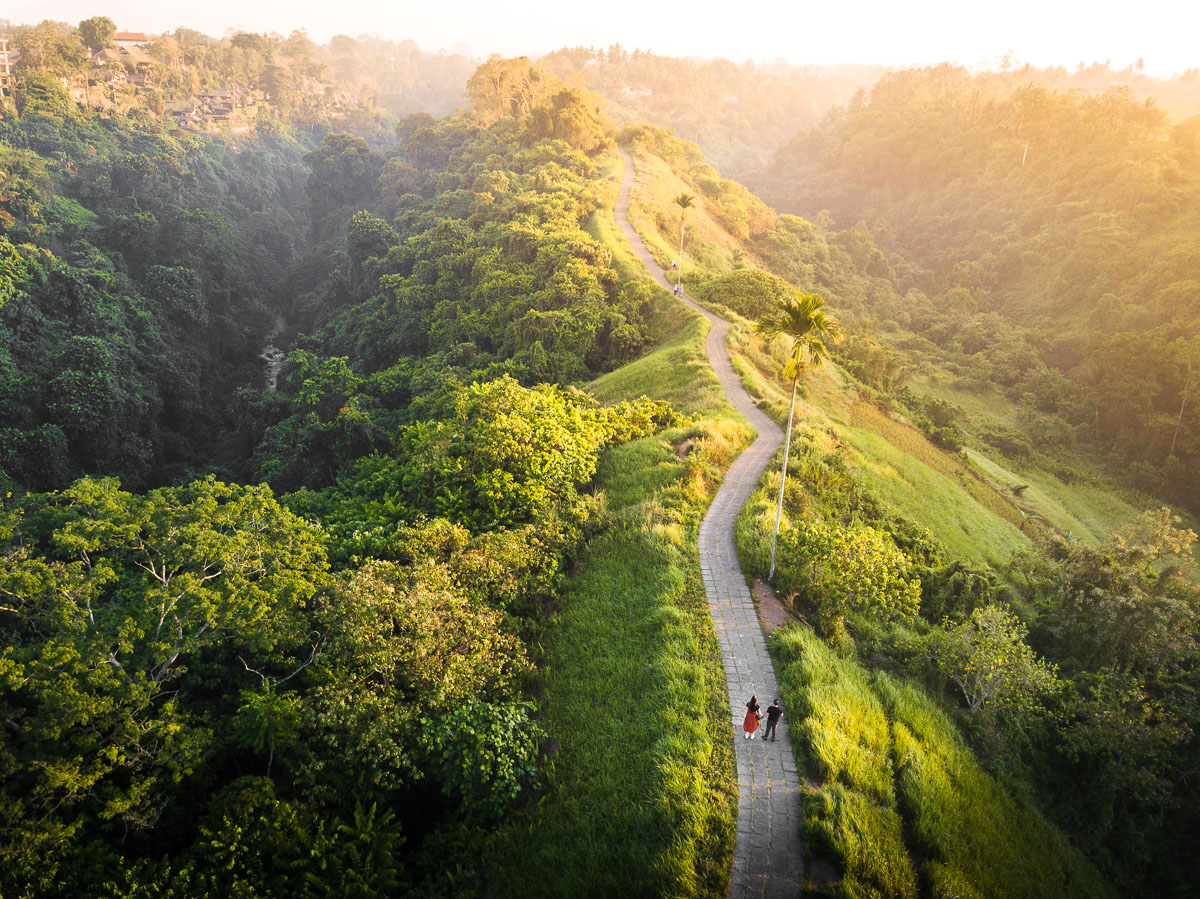
The Campuhan Ridge Walk in Ubud, Bali, stands as a must-visit destination for those seeking a blend of natural beauty and spiritual tranquillity. Famous for its stunning sunrise and sunset views, this trail offers a serene ambience amidst lush greenery, perfect for enriching your Bali vacation experience.
Trail Features and Experience
Renowned among hikers, nature lovers, and photographers, the Campuhan Ridge Walk is a picturesque path that meanders along a ridge, offering breathtaking views of a lush green valley. This approximately 2-kilometre-long walk is welcoming to individuals of basic fitness levels and is also accessible for wheelchair users with some assistance.
Location and Accessibility
Centrally located in Bali, the walk starts near the Pura Gunung Lebah Temple and follows a paved path along the ridge. Reaching Ubud, and thus the trailhead is convenient with various transportation options including organized tours, private vehicles, ride-sharing, bicycles, or walking from Ubud’s centre. Comfortable footwear, water, and sun protection are essential for a pleasant experience on this well-marked and straightforward path.
Visiting the Trail
Open year-round, the Campuhan Ridge Walk is a delight in all seasons, though the path can become slippery during the rainy season. The trail is accessible 24/7, but daytime hours (6 a.m. to 6 p.m.) are recommended for safety, as the path lacks lighting and is challenging to navigate in the dark.
Entrance Fee and the Pura Gunung Lebah Temple
Unique in being free to the public, the Campuhan Ridge Walk does not have an entrance fee, although donations for maintenance are welcomed at the nearby temple. The Pura Gunung Lebah Temple, an 8th-century site near the trailhead, is an additional attraction, especially vibrant during the Wuku Sinta Wednesday festival. Visitors are advised to dress respectfully when exploring the temple.
Preparation for the Walk
Essentials for the walk include shoes with a good grip, sunscreen, a hat, sunglasses, and water or snacks. The trail offers an immersive experience in Bali’s natural splendour, showcasing rice paddies, coconut palms, and a rich array of local flora and fauna.
For a full breakdown of what to pack for any Bali adventure, read our Bali packing guide before you head off.
Duration and Extended Route Options
The main trail can be completed in about 30 minutes at a steady pace, but allowing an hour or more is ideal for fully enjoying the views and capturing photos. For a longer hike, an extended route covering nearly 8 kilometres offers a deeper exploration of the area.
Tips for Sunrise and Sunset Walks
To experience the trail at sunrise or sunset, start early, dress warmly, and be cautious of your footing. These times offer not only exceptional lighting for photography but also a unique perspective on the landscape as it is bathed in the early morning or late evening light.
Photography on the Campuhan Ridge Walk
A wide lens is advantageous for capturing the expansive landscape, and a tripod aids in low-light conditions. ND and circular polarizer filters can further enhance your photographs. However, even a smartphone camera can effectively capture the trail’s stunning scenery.
The Campuhan Ridge Walk in Ubud offers an accessible and enchanting way to experience Bali’s natural beauty. Perfect for leisure seekers, spiritual explorers, and outdoor enthusiasts, this trail is a quintessential part of any visit to the island.
2. Mt Batur Sunrise Hike: An Enthralling Journey

Mount Batur, a UNESCO World Heritage site and an active volcano standing at 1717 meters, offers the most popular hike in Bali. The attraction lies in witnessing a stunning sunrise, panoramic views of Lombok island, and the Mount Agung volcano after a relatively easy ascent.
Mount Batur is also one of the most popular team building activities we include in our Bali Corporate Tour packages. A great way to bond your team outside the office.
Although the mountain can attract up to 600 hikers daily, choosing a less-travelled trail with a trekking guide can enhance the experience.
Hiking Restrictions and Regulations
In response to concerns over disrespectful tourist behaviour towards Balinese spiritual traditions, the Balinese governor contemplated a ban on hiking Bali’s mountains in June 2023. However, no ban has been enacted, and hiking remains permissible. Expectations are for the introduction of stricter protocols rather than an outright ban to protect these sacred mountains.
Climbing Difficulty and Options
Mount Batur’s climb is manageable for those with moderate fitness, typically taking about 2 hours to reach the summit. The descent, though generally easier, does involve navigating some challenging terrain. For a less strenuous experience, the Caldera Trek or a jeep ride are viable alternatives.
Spectacular Views at the Summit
The effort of hiking in the predawn hours is rewarded with breathtaking views from the summit. As the sun rises, hikers can enjoy vistas of Mount Abang, Mount Agung, Mount Rinjani volcanoes, and a volcanic lake, along with sweeping panoramas of the towns and villages below.
If the view of Lombok gets you curious, consider extending your Indonesia adventure with a Mount Rinjani trek — one of Southeast Asia’s most rewarding climbs.
Timing for the Hike
The Mount Batur Sunrise Hike requires an early start, with hotel pickups around midnight and drop-offs around noon. For those seeking a less early start, sunset hikes or jeep rides are available, starting in the early to mid-afternoon and concluding around 8-9 pm, ideal for families with children.
Terrain and Hiking Conditions
The hike encompasses varied terrain including a dirt road at the base, a narrow jungle path, and a rocky dirt path with occasional loose rocks. The descent may involve navigating slippery black sand lava. Guides are equipped with flashlights for the dark conditions.
Appropriate Attire
Given the chilly temperatures at the summit before sunrise (14-18 degrees Celsius), warm clothing such as a jacket or fleece and long trousers are recommended. After sunrise, as temperatures rise, lighter clothing is suitable. Rain gear is advisable during the rainy season (December to March), and good running shoes are sufficient for the hike.
Essentials to Bring
Hikers should carry water, sunscreen, sunglasses, and photo/video devices. Drones are permissible at the summit for those who wish to bring them. Light snacks are recommended, although many guides include a breakfast package. Carrying some cash is useful for purchasing snacks from locals.
Travel Time to the Start Point
The time taken to reach the starting point depends on your location in Bali. From Ubud, it’s about an hour’s drive, while from South Bali (Kuta, Seminyak, Canggu) it’s closer to two hours. For those staying in the Kintamani area, the journey is significantly shorter, around 10-15 minutes.
Best Time to Hike
The dry season (June to September) offers the best chances for a clear sunrise view but also brings larger crowds. The shoulder seasons (October to November and April to May) present an opportunity to avoid crowds, albeit with a higher chance of rain. Sunset treks are an alternative for those visiting during the rainy season.
Necessity of a Guide
Employing a guide is not only a safety measure but also supports local communities benefiting from tourism. The local guide association tightly controls access to the mountain, and solo hikers have reported issues when attempting to hike without a guide.
Additional Attractions in the Area
Many hikers combine the trek with a visit to the Natural Hot Springs for relaxation. Other nearby attractions include sustainable coffee plantations in Kintamani, the significant Besakih Temple, Kato Lapo waterfalls, and Trunyan Village, known for its ancient traditions.
Avoiding the Crowds
To experience Mount Batur without the typical crowds, consider guides who offer less-travelled routes to the summit. For a unique experience, the Batur Caldera hike includes a sunrise hike to the volcano’s rim and a boat ride on Lake Batur, offering adventure away from the usual tourist paths.
Alternative to Hiking
For those not inclined to hike, 4WD Jeep adventures offer an alternative way to experience Mount Batur, including visits to the black sand lava fields. This option caters to those seeking a different kind of adventure in the area.
3. West Bali National Park: A Natural Wonderland
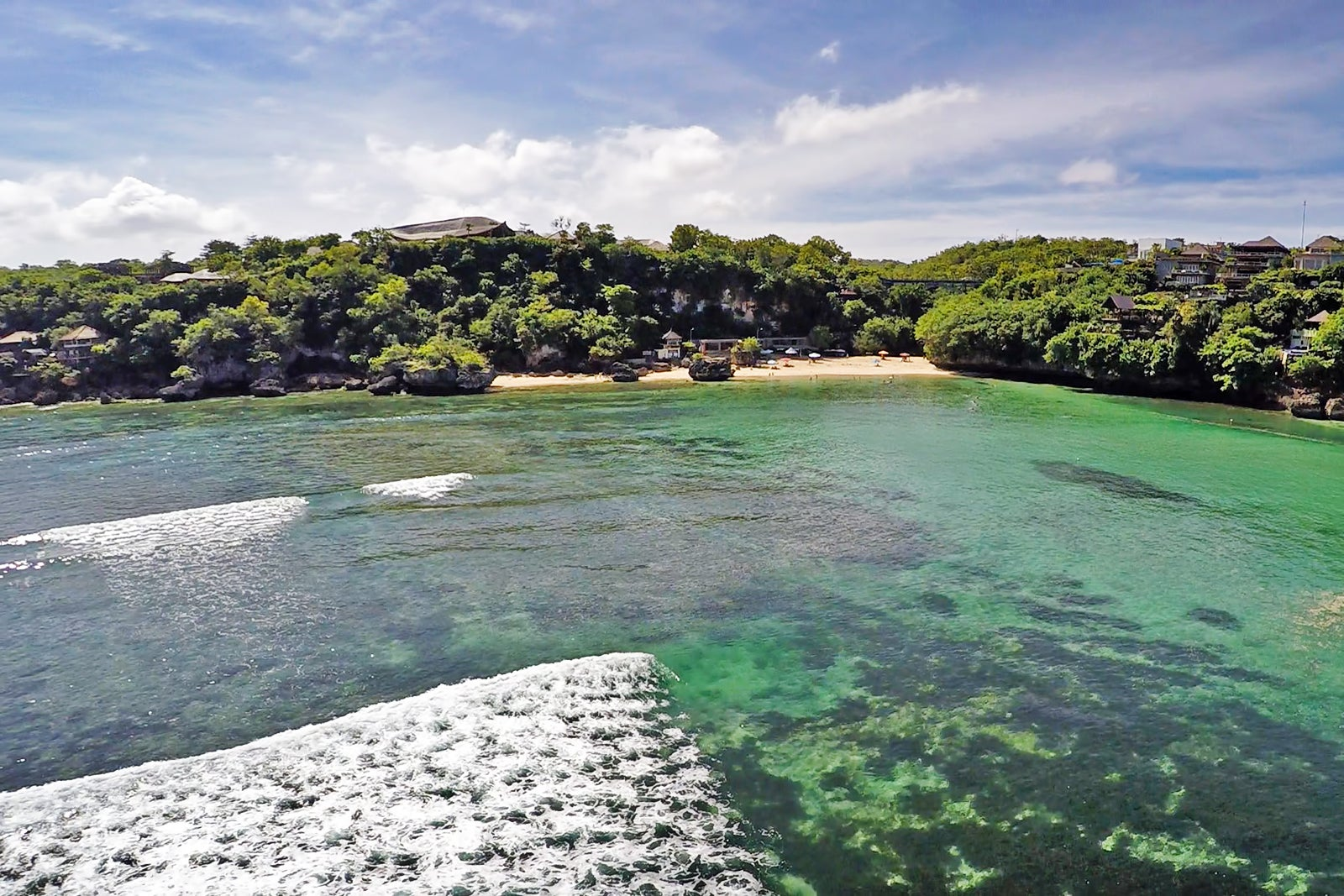
West Bali National Park also known as Taman Nasional Bali Barat, Bali’s sole national park, was designated in 1941 following its recognition as a nature park in 1917.
The park is a sanctuary for diverse wildlife, including the endangered Bali Starling, Ebony Langur, Clouded Leopard, and a multitude of bird species, plants, and corals. Contrary to typical rainforests, the park consists of varied landscapes like mangrove and monsoon forests, dry savannahs, and montane forests on volcanic slopes.
For nature and outdoor enthusiasts, this part of Bali is a treasure trove, offering private beaches, exceptional snorkelling and diving sites, mountains, and rich wildlife. Accommodation ranges from budget-friendly options in nearby villages to luxury resorts within the park’s boundaries, though the development of such resorts in a national park raises environmental concerns.
Getting to and Around the Park
The park’s headquarters is located in Cekik village near Gilimanuk, making it easily accessible for those arriving from Java. Visitors from other parts of Bali can use various transportation means, including motorbikes, rental cars, or shuttle services. Labuan Lalang is another entry point, especially convenient for those coming from the northern regions of Bali.
Hiking Options in the Park
Offering a range of hiking experiences, from strolls to intensive jungle expeditions, West Bali National Park caters to all levels of outdoor enthusiasts. The park’s northern section, particularly around Prapat Agung, includes protected beaches, offshore coral reefs, and the small island of Menjangan, a renowned spot for diving and snorkelling. The park also boasts extinct volcanoes in its reserve area, with Mount Patas and Mount Merbuk being prominent features.
Wildlife Spotting Opportunities
The park is a haven for birdwatchers, being home to 160 bird species, including the almost extinct Bali Starling, the reason behind the park’s establishment. Mammals like Banteng, Javanese Rusa, Indian Muntjac deer, Wild Boar, and Leopard Cats are also present, although the Bali Tiger has been considered extinct since 1937. The park’s diverse habitats offer opportunities to spot a variety of wildlife.
Guide Requirements and Benefits
Exploring the park’s trails requires an official guide from the national park offices, a measure that ensures safety and conservation. Guides offer valuable insights into the park’s flora and fauna, enhancing the visitor experience. The most popular trails include the Tegal Bunder Trail for birdwatching and the challenging Gunung Klatakan Trail through the rainforest.
Accessibility and Facilities
Access to the park is typically via the north coastal road from Lovina or Pemuteran. Visitors must check in at park offices in Cekik or Labuan Lalang to obtain permits and arrange guides. While only a small portion of the park is open to visitors, the available trails and marine activities provide ample exploration opportunities. Facilities like traditional stalls and warungs near the park offer local food and refreshments, but it’s advised to bring sufficient water.
Accommodation Options and Regulations
While camping is not permitted inside the park, a basic campsite is available at the park headquarters in Cekik. Visitors looking for more comfort can find accommodation in nearby areas like Gilimanuk, Pemuteran, or Lovina. The park also hosts a high-end resort on the Prapat Agung peninsula, offering luxury amidst nature.
Activities Beyond Hiking
In addition to hiking, the park is an excellent location for snorkelling and diving, especially around Menjangan Island. Birdwatching and wildlife spotting are other popular activities, with the critically endangered Bali Starling being a highlight for many visitors. For those seeking more extensive hiking experiences, trails like the Gunung Klatakan offer longer, more adventurous treks.
4. Mt Agung: The Majestic Summit of Bali

Mt Agung, towering as the highest point in Bali at 3,142 meters, is not only a geographical marvel but also a sacred symbol in Balinese culture.
Known locally as Gunung Agung and translating to ‘Great Mountain,’ it has been revered as the ‘navel of the world’ by the Balinese, often associated with the abode of the gods. Historically significant, the mountain has witnessed catastrophic eruptions, the most devastating being in 1963, which claimed numerous lives and altered the landscape.
Despite its volatile nature, Mt Agung’s eruptions, including the recent ones in 2017-2019, are closely monitored, maintaining a Level 1 alert status as of 2024, indicating its readiness for hiking adventures.
Challenge Level and Hiking Duration
The trek up Mt Agung is a formidable challenge, known for its steep and demanding terrain. The ascent can take anywhere from 8 to 12 hours roundtrip, with a significant elevation gain that tests even the most seasoned hikers. The journey is divided into distinct phases: a steep climb through dense vegetation, followed by navigating boulders and scree, and finally, a taxing scramble to the crater rim. The hike, while gruelling, rewards adventurers with a profound sense of accomplishment.
Cultural Importance and Summit Views
In Balinese culture, mountains are venerated as the dwelling places of gods, and Mt Agung is no exception. Hiking with a local guide often includes ceremonial stops for prayers and offerings, honouring the mountain’s spiritual significance. Reaching the summit for sunrise offers a breathtaking spectacle, with a sea of orange clouds and panoramic views of the surrounding landscape, including Mount Rinjani and Mount Abang. The summit provides an otherworldly vista of the expansive crater, the vast caldera below, and far-reaching views across Bali.
Hiking Routes and Preparations
There are two primary routes for ascending Mt Agung: the longer Besakih route leading to the true summit and the shorter, more common Pasar Agung route, leading to the south crater rim. The choice of route affects both the views and the physical demands of the hike. Preparing for the trek requires essential gear such as sturdy hiking shoes, warm clothing for the chilly summit, a reliable headlight for the night trek, water, snacks, and a camera or drone for capturing the stunning views.
Choosing Accommodations and Planning the Hike
For those planning to conquer Mt Agung, staying in nearby areas like Sidemen, Candidasa, Amed, or Kintamani offers convenience and scenic beauty. Amed, in particular, is a tranquil spot for post-hike relaxation, offering splendid views of the Agung volcano from its beaches. The trek can be embarked upon from tourist hubs like Ubud or Kuta, but this involves a longer drive.
Safety and Guide Recommendations
Given the risks associated with climbing an active volcano, particularly on such challenging terrain, hiring a local guide is strongly advised. Guides not only provide essential safety and navigational assistance but also enrich the experience with cultural insights. While the trek is strenuous and not without its dangers, with proper preparation and respect for the mountain’s might, the Mt Agung hike remains an unforgettable experience for avid trekkers and cultural enthusiasts alike.
As the sun sets on our exploration of Bali’s majestic hiking trails, we reflect on the unforgettable experiences each path has offered. From the awe-inspiring heights of Mt. Agung to the mystical ambience of the Pasar Agung Temple, and from the challenging treks through lush jungles to the serene walks past the serene twin lakes, Bali has proven itself a true hiker’s paradise. The popular hikes around Lake Buyan and the volcanic landscapes of Mt. Batur have not only tested our physical limits but also enriched our souls. Each trail, swathed in lush vegetation, has narrated a unique story, resonating with the spirit of every hiking enthusiast who has traversed these paths. Bali, a tropical paradise, leaves us with memories etched not just in our footsteps but also in our hearts, beckoning us to return and rediscover its natural wonders time and again.


